Familiar Waters

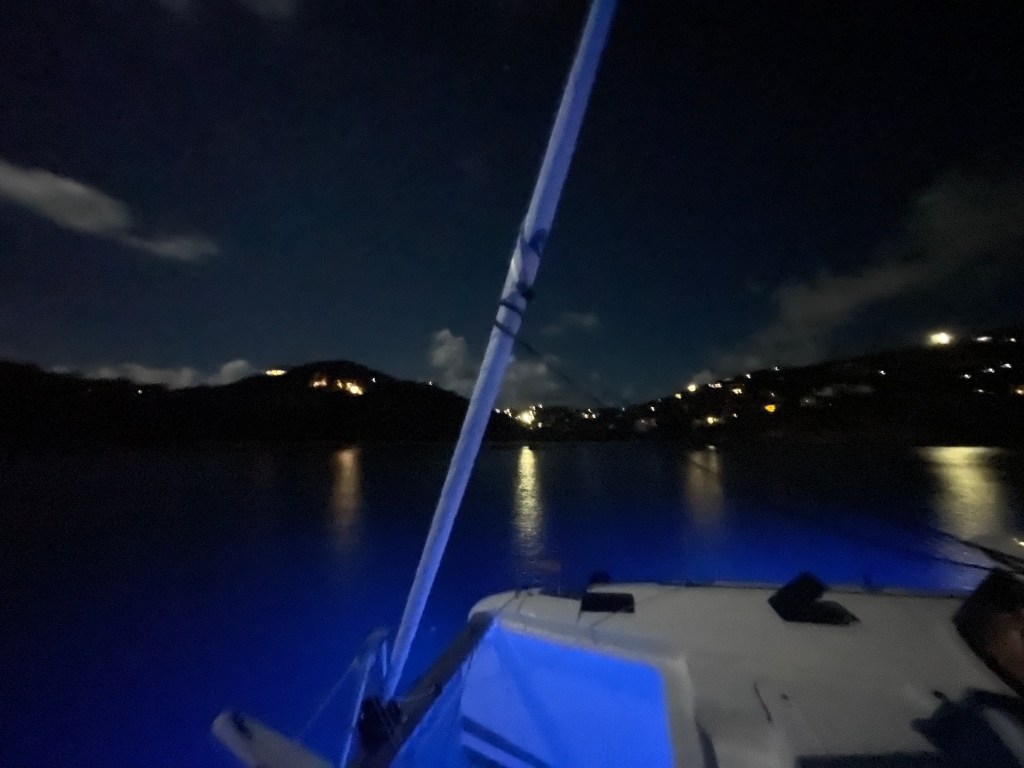
Queen’s Dream glided quietly into Rendezvous Bay, St. John, US Virgin Islands. The bright, moonlit bay welcomed her to a well-deserved rest a few hours before sunrise – The clink, clink, clink of the anchor dropping into the shallow, clear waters, and a sandy bottom. Her sails furled and stowed, her engines shut down, her autopilot eerily quiet. For the first time in her short life, QD was resting on anchor in tropical waters.

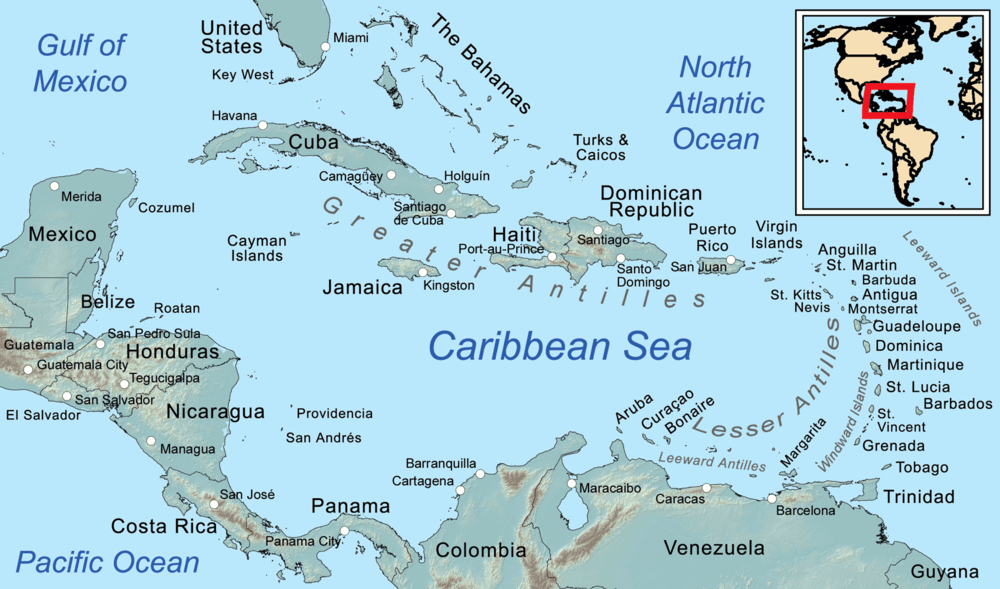
Since officially entering the Caribbean a few days ago, she has sailed proudly past the views of Guadeloupe, Antigua, Montserrat, Nevis, St. Kitts, Eustatius, Saba, St. Barts, St. Martin and the BVI’s. Her anchor rests snuggly in US territory – the country that she will carry the flag for on her stern. She was built in France but is proudly flagged as a US ship. Her short stay on anchor is only until sunrise consumes the darkness and the US customs office opens in Cruz Bay. Her crew officially clears into the US, she loads her belly with more fuel (diesel) and sets sail towards her destination – Ft. Lauderdale.

While these waters are virgin new to QD, some of her crew know them very well. Over a decade of sailing these waters, anchoring in these bays, and exploring these islands. Reminiscing, pointing, and smiling, the urge is to do a short daylight sail to another familiar anchorage and breathe in the familiar surroundings. However, the mission of Stage #1 must be completed. Another 1,000 miles to go, another week of sailing will bring QD dockside in Ft. Lauderdale, FL. Her inaugural mission will be accomplished. After another month of detailed commissioning work, her build will finally be complete. Then, without hesitation, her hulls will permanently leave US waters and set sail to explore the world. These bows will break into these familiar waters before summer. The anticipation of Stage #2 awaits …
Sneak Peek

Queen’s Dream began her maiden voyage 36 days ago as her lines were pulled from the dock in her birthplace – La Rochelle, France. She headed into the North Atlantic Ocean with full confidence in her builders and crew. Her inaugural mission was to transit the daunting Atlantic and arrive in Ft. Lauderdale where her final build items would be completed. Her bows left the chilly winter waters of France and diligently worked her way Southwest for over 4,400 miles. Like a magical line in the water, her bows officially crossed into the Caribbean (North of Guadeloupe) with the sight of land, the fanfare of her crew and welcoming dolphins the following morning. However, her inaugural mission is not yet complete …

To complete this stage, she now needs to navigate another 1,100+ miles Northwest to Florida. The routed path will take her up thru many notable Carribean islands before resting her hulls at the dock in Florida. Unlike the total vast emptiness of the open Atlantic, the land masses of the Caribbean will be in frequent sight for the remainder of the journey. This “Sneak Peek” passage will have QD navigating close by many places that she will return to in the coming months. She was built with the vision of being at anchor in these exact tropical island settings. Like tasting a drop of sweet honey and then having to wait for a period to partake in the feast. The feast must wait – her destiny requires her to go directly to Florida so she may adorn her final commissioning features. The crew is confident in her steadfast ability to easily finish this mission and eager to return to these enticing destinations in the coming months. Are we there yet? Almost, almost …

Time Travelers

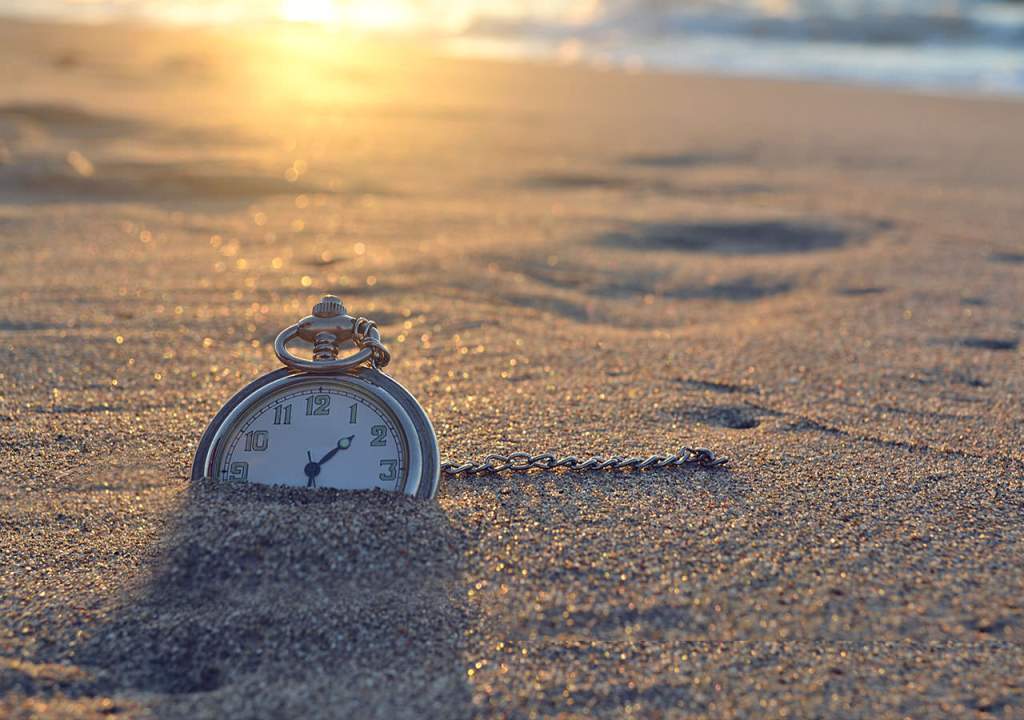
Our modern lives are ruled by time. Our lives evolve around clocks, calendars, and the appointments of life. We move forward through the continued sequence of existence and events that occur in an apparently irreversible succession from the past, through the present, into the future. What if that is removed? What if time is only measured by the sunrise and the sunset? It loses meaning and importance. Such is time at sea …

Queen’s Dream has been at sea for 31 days (4,000+ miles). A known fact by examining the detailed written logs sourced by our modern devices on board. Then, the simple math of what day it is and what day the passage began. We measured time – we moved forward. The location tracker shows a thin line slowly creeping across the blue graphic of the Atlantic Ocean. However, the daily life on board QD is measured only by the timing of crew shift changes (watches). Time has lost meaning (and importance). The steady, unending cadence of moving the boat forward (in the right direction) is the driving focus every minute of the day. The sun comes up, the sun goes down, the night sky fills with stars. The only changing visible variable is the moon as it morphs through all its phases and the subtle night by night change of the position of the bright planets.

The QD crew blinks and it is another day, we blink again, and it is another week, blink – another month on the calendar. We are time travelers … moving forward towards an uncertain date. Unlike some of the nautical explorers of old, at least we move towards a known destination. Once the passage is complete, time will become particularly important again. Until then, we treasure the absence of time ruling our lives. Gaze into the never-ending blue water and breathe deep into an experience very few will ever have. How do you measure that?

Water, water everywhere

“Water, water everywhere, but not a drop to drink”.  This ironic quote is from The Rime of the Ancient Mariner, a poem by Samuel Taylor Coleridge, and is used to suggest that despite being surrounded by something, you cannot benefit from it. Historically, an adequate supply of drinking water was a constant challenge for marine vessels and pirate ships on long passages. It was called freshwater in the sense that it wasn’t saltwater, but it still had algae and other unwholesomeness. This was because the water wasn’t stored perfectly. It was stored in wooden casks and not filtered or pasteurized. Such were the challenges of the sailors of old …

Queen’s Dream has been surrounded by endless blue water for 27 days. For all its tranquil beauty, the water is obviously undrinkable. So, is there enough water on board to safely last the 6 weeks (or more) of the Atlantic crossing? The answer is that the crew has abundant access to fresh water; QD holds 700 liters of freshwater in her 2 tanks. Likewise, she is provisioned with an extra 120 liters of bottled drinking water in the unlikely event of an emergency. But, the “abundance” term is qualified by a magical talent she posesses – she can make water for Free!

QD is equipped with a modern desalination water system (watermaker). The system takes in seawater and via Reverse Osmosis uses a high-pressure pump to push sea water through a membrane. This removes the salt and solids to produce fresh water into the 2 tanks. The water is purer than any high-end drinking water purchased by the bottle. Capable of producing 65 liters per hour, electric power is needed to run the pump system. Where does that come from? QD holds a custom-built solar array across her back stern. The 5-panal array generates 2,000 Watts of power using sunlight. The solar array feeds power into the boat’s electric system and batteries that in turn are used for running systems such as the watermaker. All this technical talk just means QD takes sunlight and fills the freshwater tanks for Free! The QD crew runs the watermaker every day to top off her tanks. No worries about drinking water, showers, 3 freshwater toilets, cleaning, and cooking. Water for Free!

Here be Dragons

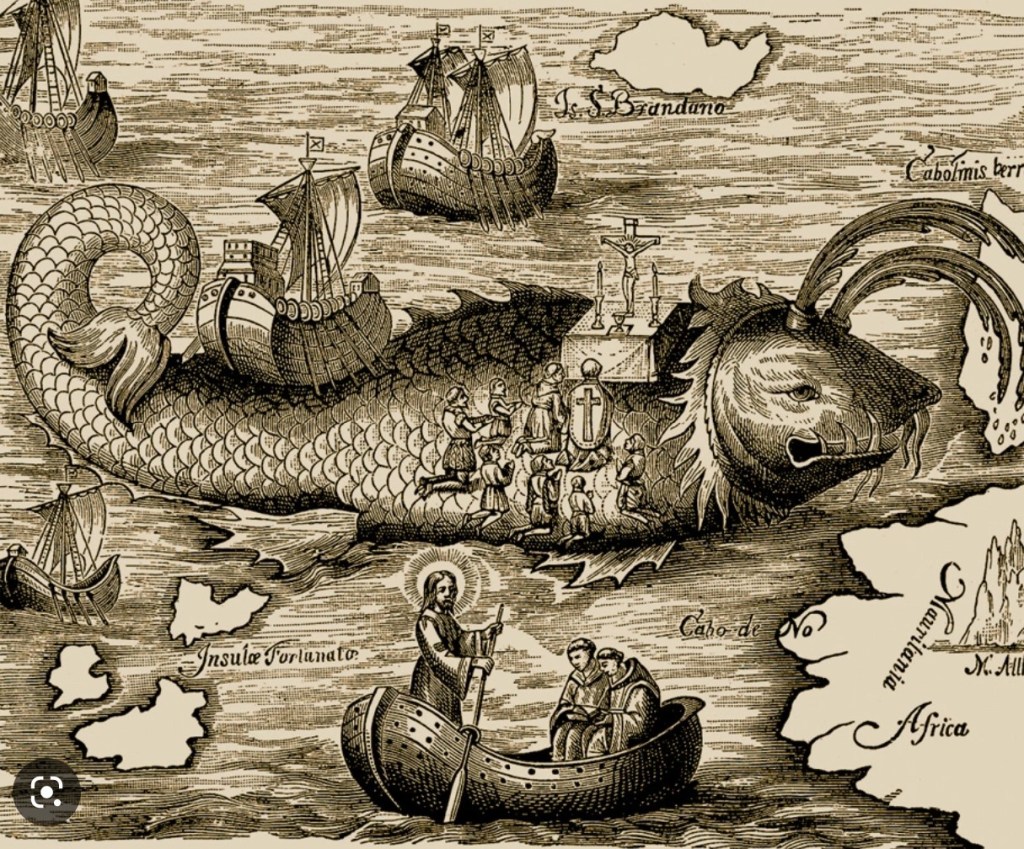
“’Here there be Dragons” was a phrase written on old maps to indicate unchartered waters. Ancient cartographers didn’t really know what was out there before the great explorers had touched all the four corners of the globe. What was beyond the explored region was a question mark. Sailors spawned the tales of mythical monsters that existed beyond the known horizon. While some of the stories told by the sailors proved to be true, plenty of other facts and fictions made their way around the world as ships were lost, strange creatures were seen through the fog, and new and (presumably) terrifying things were witnessed by people who relied on superstition to keep them safe thousands of miles away from everything they knew.

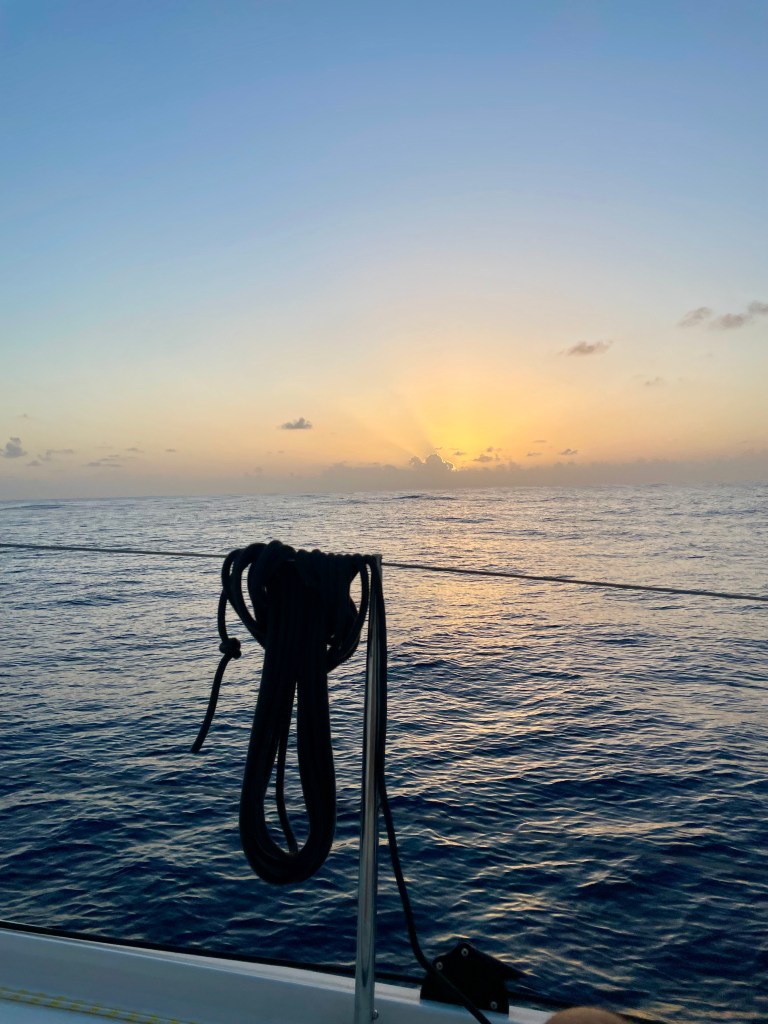
Queen’s Dream has been at sea for 27 days and covered 3,200 miles of deep blue water as her Atlantic crossing progresses. As the days and nights click by, the view of the 360-degree horizon only changes by the shapes of clouds, colorful sunrises, and sunsets. The unending vastness conjures thoughts of what the ancient nautical explorers must have been thinking as they crossed these uncharted waters centuries ago. What was over the horizon just out of sight? Is there an edge to fall from? Are there Monsters?

The modern world civilization laughs at those ancient beliefs and quickly dismisses them as silly and trivial. However, as the QD crew sits at her helm day after day and night after night, there is time to ponder such silly things. The quiet slap of the waves from the boat wake forms a methodical tempo. The mind drifts and eventually visualizes what it would have been like to be sailors plowing forward into what seems like an eternal horizon. The apprehension of the unknown can be felt as if magically ported back to those centuries of exploration. Fortunately, QD and her crew have the modern knowledge to know what awaits. No Dragons to slay …

Tropic of Cancer

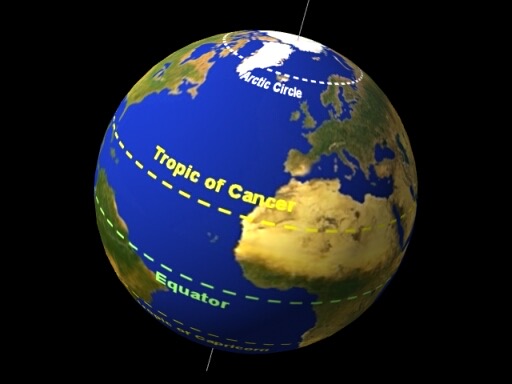
The “tropics” are the regions of Earth surrounding the Equator. They are defined in latitude by the Tropic of Cancer in the Northern Hemisphere at 23°26′10.7″ N and the Tropic of Capricorn in the Southern Hemisphere at 23°26′10.7″ S.

The Tropic of Cancer, which is also referred to as the Northern Tropic, is the most northerly circle of latitude on Earth at which the Sun can be directly overhead. This occurs on the June solstice, when the Northern Hemisphere is tilted toward the Sun to its maximum extent. It also reaches 90 degrees below the horizon at solar midnight on the December Solstice.

As of yesterday, Queen’s Dream officially entered the “tropics” for the first time in her short life. By crossing the established latitude of the Tropic of Cancer, her bows crossed into a region of the earth where she was built to live = the Tropics!

QD has successfully brought her crew over 2,800 miles from her French birthplace. The crew has declared we are “halfway” there for the Stage #1 destination = Ft. Lauderdale. There, she will finish her build and prepare for the Stage #2 voyage down thru the Carribean Islands. But first, she must proceed south another day or so to avoid the “no wind” zone and finally break West on a predicted great sailing run to FL. She has already proven a very solid boat and ready to circle the world!

Half is not Halfway

halfway adverb – at or to a point midway between two others.

From an early age we were engrained with the concept of “halfway”. If grandma’s house was 20 miles away, we knew we were halfway there at 10 miles. It’s a simple concept – measure the distance between two points and divide it by 2. Half the distance = Halfway! However, that simple math is deceiving. Rarely are we able to follow the shortest distance between two points. Straight lines are easy with rulers and paper. They are elusive in real world spacial navigation.

So is the case with Queen’s Dream passage across the Atlantic. The distance from La Rochelle, France to Ft. Lauderdale, FL is measured at 4,000 miles across the North Atlantic. In her 19 days at sea, QD has sailed 2,536 miles. Enough miles to declare “we are halfway there”? The sobering answer is a firm no. Sailboats are unable to simply sail directly on a straight line. QD must ride the wind and constantly adjust headings depending on weather, waves, wind direction and wind speed. It is a calculated navigation exercise to find the shortest or quickest route for short segments and then readjust. In the end, QD will have sailed many more miles than 4,000 to complete the journey. It could easily be 5,500 miles. The winds will determine the final milage required.

Based on the current routing systems we have onboard; we feel we are nearing the elusive “halfway” mark of the passage in the next few days. The measurement is based on an estimate of how many days remain compared to how many days we have been at sea. The QD crew fully expects to observe a bright sign coming out of the water stating “You’re Halfway There” ….

Sea Legs

sea legs noun – a person’s ability to keep their balance and not feel seasick when on board a moving ship.

This happens when the inner ear and the brain resolve what seem to be conflicting messages. The inner ear is part of the body system that helps us maintain our balance. Fluid-filled structures inside the ear are sensitive to gravity and report to the brain whether you are standing up, lying down, or moving. On a ship being rocked by waves, the inner ear is constantly sending messages to the brain about this unfamiliar movement. The brain knows that this movement is not caused by the body. Like a system of checks and balances, the brain validates these messages from the inner ear against what your eyes see and your body feels. Because your brain knows the body is standing still, and visually there are limited signs of movement because the body and the boat are moving together, the brain is unable to compensate for the confusing information. In time, our magnificent brain adapts.

The crew on Queen’s Dream gained their “sea legs” quickly. We set sail from France 18 days ago and have logged 2,100 sea miles. The first days are awkward as you stumble around with every roll of the boat. As time passes, the body quickly adapts, learns, and morphs into its new norm. It becomes second nature as your muscles send simple messages, the brain reacts quickly and instructs the body how to counterbalance the motions. The “boat bruises” are less often, the sore body pains from using boat “yoga” muscles fades with the days. We are now “balance ninjas” – it’s impressive to watch as the boat rolls and like a human gimble, you totally stand level as the legs absorb the direction and motion.

QD does offer an advantage over the ships of old – she is a well-balanced catamaran with a wide beam instead of the classic monohull design that awes, rolls and twists with every tiny wave. She was built to cross oceans and take her crew to distant shores. We will leverage our “sea legs” for many more weeks until we let QD rest and are able to use our “land legs” again …

Wind Searching

Nautical history is ripe with stories of sailing vessels that were “becalmed” at sea. Images from books, movies and TV shows show the familiar scenes of depressed crew sitting dead still at sea waiting for wind. Sailing vessels of all types fell victim to being at sea with no wind movement at all for countless days. Then, scenes of crew elation when small ripples finally appear on the water and the wind builds to the shouts from the captain to hoist the sails and capture the wind! Despite following “trade wind” routes and weather patterns, historical merchant ships, explorers and even Pirate ships were subject to this calamity on occasion.

QD fell victim to the same conditions. Departing Maderia, she experienced 3 full days of slick calm seas and no wind to drive her sails. However, unlike the historical days, QD had a few more advantages to aid her in the ability to “search for wind” instead of having to wait for the wind. Instead of her crew sitting becalmed and waiting, she used her pair of powerhouse diesel engines to push her forward through 3 continuous days of extra-calm seas. While not at the preferred speed or fuel burn rate, she traveled over 300+ nautical miles since departing the port at Maderia. Secondly, the crew leverages modern weather routing tools to empower them with the knowledge of precisely where the wind patterns were developing and could guide her to the winds. Queen’s Dream was like a racehorse pinned in the starting gate – eagerly ready to “run with the wind”. After 3 days at the gate, the diesel engines fell quiet, and the sails billowed with the found wind. The forecasted wind patterns are now predicted to propel her over 1,000 more miles towards her destination in the next 7 days. The crew is elated …

Madeira

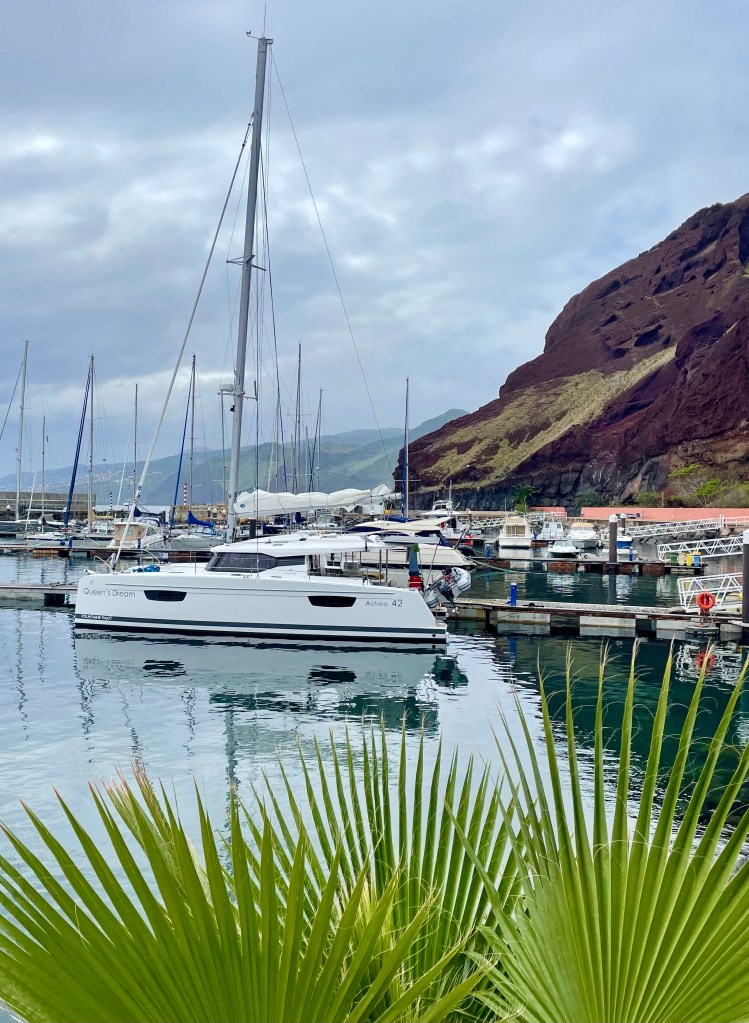
After completing her first leg of the Atlantic Crossing, QD settled into a quaint marina on the eastern corner of Madeira. Madeira, an autonomous region of Portugal, is an archipelago comprising 4 islands off the northwest coast of Africa. It is known for its namesake wine and warm, subtropical climate. The main island of Madeira is volcanic, green and rugged, with high cliffs, pebbly beaches and settlements on deltas of the Fajã River. Capital Funchal has botanic gardens and is known for its harbor and stunning hillside views.

The passage from La Rochelle, France to Madeira took 8 days to sail 1,189 nautical miles. She performed well on her maiden voyage through a few areas of challenging sea states and high winds. Her bows and crew have rested for 3 days and enjoyed the experience the incredible island has to offer. QD is re-provisioned with food, fuel, and emergency water. Now, the hardest leg of the journey begins; 4-5 weeks deeper south and westward across the Atlantic. The weather patterns show a large low-pressure area forming in the middle of the Atlantic. This will require QD to go even deeper south to pick up the trade winds to ride across. As she enters the tropical temperature zones, the crew can put away the cool weather clothing and soak up the warmer air. That warm air will fill her sails and drive her westward towards the Carribean and eventually up to Florida where her build will be completed. Rock and Roll …